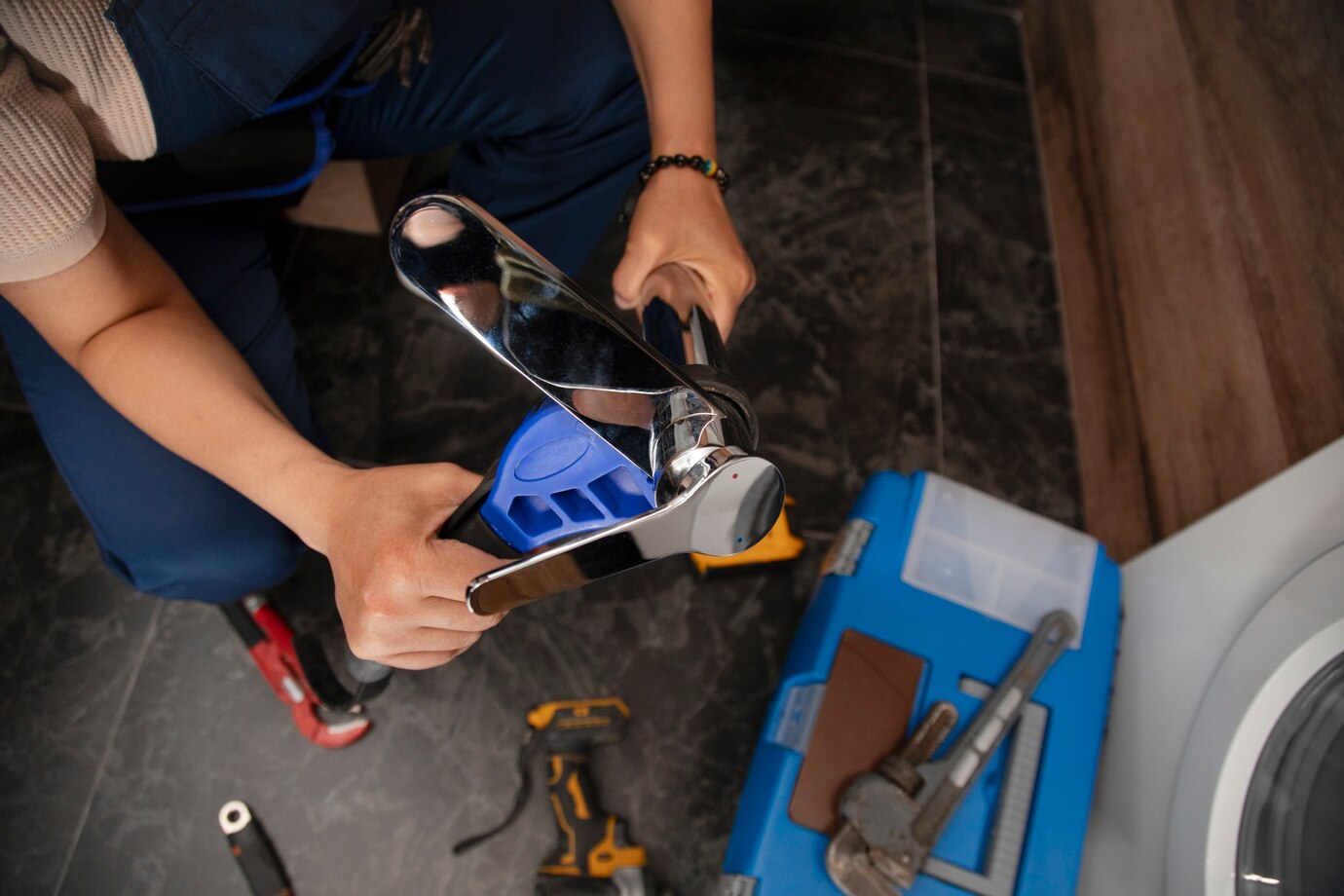
The lifeblood of any modern home or building is its plumbing system. But what happens when a leaky faucet turns into a financial flood for your plumbing business? Plumbing liability insurance steps in as a crucial safeguard, protecting your company from the unexpected costs of mistakes, accidents, and even customer lawsuits.
This article dives deep into the world of plumbing liability insurance, exploring its features, advantages, and potential drawbacks. We’ll also discuss factors influencing pricing, free trial options, and how it integrates with other essential business insurances.
Features of Plumbing Liability Insurance
A comprehensive plumbing liability insurance policy typically includes several key features:
- General Liability (GL) Insurance: This forms the foundation, covering you for property damage and bodily injury to third parties (not your employees) caused by your work. Imagine accidentally damaging a customer’s prized antique flooring while installing a new pipe – general liability would cover the repair costs.
- Products and Completed Operations: This coverage extends beyond the immediate work site. If a faulty installation you completed later leads to property damage, this insurance could help cover the costs.
- Errors and Omissions (E&O) Insurance: Also known as professional liability insurance, E&O protects you from claims of negligence, mistakes, or omissions in your service. Let’s say a customer sues you because a plumbing job you did caused mold growth due to improper ventilation – E&O insurance could cover your legal defense and any awarded damages.
- Medical Payments: This covers basic medical expenses if someone gets injured on a job site due to your negligence.
Additional Coverage Options
Depending on the insurer and your specific needs, you might consider adding endorsements to your policy for:
- Pollution Liability: This safeguards you from financial repercussions if your work accidentally causes environmental damage, such as a leaking pipe contaminating the water supply.
- Contractors’ Errors and Omissions: If you subcontract work to others, this coverage protects you from their mistakes.
- Tools and Equipment Coverage: This insures against theft, damage, or loss of your valuable plumbing tools and equipment.
Integration with Other Business Insurance
Plumbing liability insurance works best when combined with other essential business coverages:
- Workers’ Compensation: This protects you from financial responsibility if an employee gets injured on the job.
- Commercial Auto Insurance: If you own vehicles used for business purposes, this covers any accidents that might occur while on the road.
- Business Property Insurance: This safeguards your physical workspace and equipment in case of fire, theft, or weather-related damage.
Advantages of Plumbing Liability Insurance
Owning a plumbing business comes with inherent risks. Here’s how liability insurance helps mitigate those risks:
- Peace of Mind: Knowing you’re financially protected from lawsuits and unexpected claims allows you to focus on running your business with confidence.
- Customer Confidence: Having liability insurance demonstrates professionalism and builds trust with clients, potentially leading to more business opportunities.
- Contractual Requirement: Many contracts with commercial clients mandate that plumbers carry a minimum level of liability insurance.
- Financial Security: A lawsuit or major accident can cripple a small business financially. Liability insurance absorbs these costs, preventing financial ruin.
Disadvantages of Plumbing Liability Insurance
While crucial, plumbing liability insurance does have some drawbacks:
- Cost: Premiums can vary based on your coverage level, experience, and claims history.
- Coverage Limits: Policies have coverage limits, so it’s vital to ensure they’re adequate for your risk profile.
- Claims Process: Dealing with claims can be time-consuming and involve paperwork.
Pricing and Free Trials
The cost of plumbing liability insurance depends on several factors:
- Location: Insurance rates can vary by region.
- Experience: Newer businesses might pay higher premiums.
- Coverage Level: Higher coverage limits naturally cost more.
- Claims History: Having past claims can increase your premiums.
Unfortunately, free trials aren’t typically offered with liability insurance. However, some insurers might provide grace periods or flexible payment options.
Getting a Quote and Choosing a Policy
To obtain a quote, contact a reputable insurance agent specializing in business insurance. They can assess your specific needs and recommend suitable coverage options from various providers. Here are some key questions to ask potential insurers:
- What types of plumbing work does your policy cover?
- What are the coverage limits for general liability and E&O?
- Are there any exclusions on specific services?
- Does the policy offer endorsements for additional coverage (e.g., pollution)?
- How does the claims process work?
- What is the reputation of the insurance company for customer service and claims handling?
Conclusion
Plumbing liability insurance is an essential investment for any plumbing business. It acts
as a safety net, protecting you from financial burdens arising from accidents, mistakes, or even lawsuits. By understanding the features, advantages, and potential drawbacks of this insurance, you can make informed decisions to secure your business and ensure its continued success.
Demo Options
While free trials aren’t common with liability insurance, some insurers might offer demo versions of their online policy management systems. These demos allow you to explore features like policy review, claims submission, and communication with your insurer. This can be a valuable tool for understanding how a particular company handles the day-to-day aspects of your insurance needs.
Finding the Right Insurance Provider
Here are some additional tips for finding the right insurance provider:
- Shop around: Get quotes from several different insurance companies to compare coverage and pricing.
- Read reviews: Check online reviews and industry publications to see how other plumbers rate different insurance providers.
- Consider industry-specific providers: Some insurers specialize in offering business insurance tailored to the specific needs of plumbers, potentially offering more comprehensive coverage and competitive rates.
The Bottom Line
Plumbing liability insurance is a smart investment that safeguards your business from unforeseen financial risks. By taking the time to understand your coverage needs, compare quotes, and choose a reputable insurance provider, you can ensure your plumbing business thrives with peace of mind.